
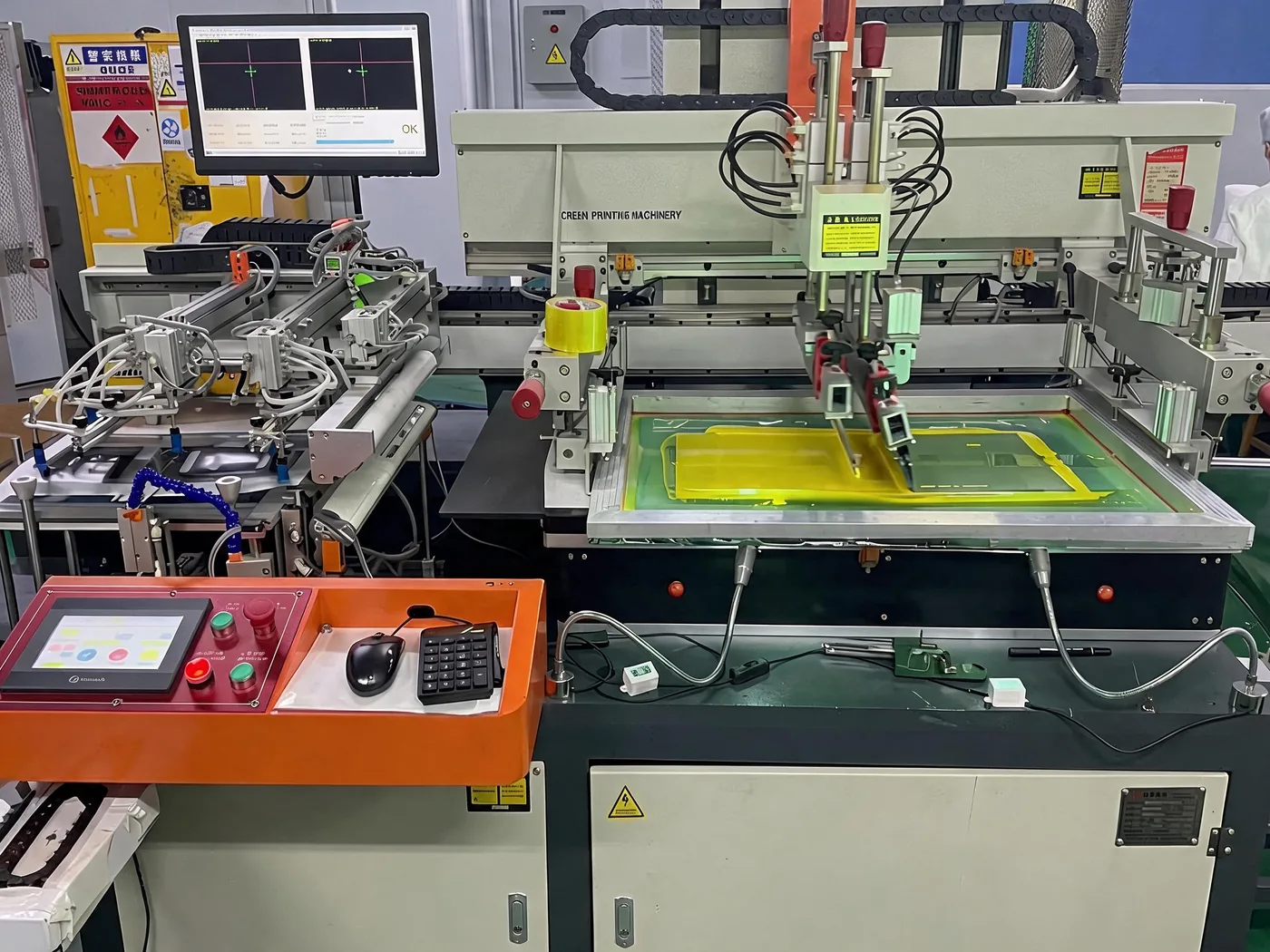
For a private-label graphic overlay order, confirm which artwork revision may be manufactured separately from the intended scope of logo use, and link both decisions to the current part number, quantity and purpose. Receiving a logo file only establishes that the artwork is available; it does not establish that every intended use has been confirmed. List unclear uses as pending instead of leaving layout or production staff to decide on behalf of the party responsible for the brand.
In its North American compact-equipment collaboration announcement dated October 28, 2026, Yanmar said that its North American business would manufacture compact track loaders for Hitachi Construction Machinery's American business, with sales under the LANDCROS brand in North America planned for fall 2027. These are the announced OEM supply arrangements and sales plans, not evidence of completed deliveries.
If your own equipment project also involves manufacturing by one company and sales under another brand, the procurement records may involve a manufacturer, a commissioning customer and a party responsible for confirming logo use. This article uses that setting to discuss artwork handoff for your own graphic overlay project. It makes no assumption about panels in the reported equipment, its actual logo-authorization process or any supply relationship with Baoshengda.
Identify whether the approval covers artwork or its use
The World Intellectual Property Organization's trademark overview distinguishes use by a trademark owner from use licensed to another party. That general explanation cannot determine ownership of a particular mark, the validity of a license or the rules applying in a specific territory. This article organizes procurement handoff records; it does not provide a legal conclusion or a universal authorization form.
Artwork approval generally checks the logo's shape, colors, position and actual print area. The arrangements for logo use also need to identify who can clarify the intended use and which files, parts and orders the supplier's instructions cover. Both can appear in one handoff record, but identify what each confirmation addresses. Do not turn “file received” into “scope of use approved.”
Link the use instructions to the artwork revision and the intended use. If the customer supplies another brand's logo, ask it to identify the party and contact responsible for confirmation within the project. Refer disputed or uncertain rights issues to the relevant rights holders and the project's professional advisers.
Separate review, samples, production and display
The table below suggests how to organize this project's procurement attachments. It is not a statutory licensing checklist. The formal documents required, and whether transfer or changes are permitted, depend on the particular rights, territory and contract. Completing the table does not establish that a license has been validated.
| Intended use | State in the handoff | Do not infer |
|---|---|---|
| Quotation and artwork review | The file revision for review, permitted recipients and unresolved items | Being able to open the file does not establish permission to manufacture |
| Sample production | Sample part number, artwork revision, current quantity and corresponding use instructions | Sample approval does not automatically cover any later production volume |
| Production for this order | Order line, approved files, quantity, applicable project and confirmation records | Approval for one brand item does not automatically cover another brand or revision |
| External images and sample display | Whether photography, publication or exhibition is permitted, and what may be shown | Permission to manufacture does not establish permission to show it on a website, in a video or in a sample catalog |
The news announcement discusses manufacturing, branding and sales channels. If your own overlay project also crosses those stages, identify the use covered by the current order: internal artwork review, sample manufacture or a particular confirmed batch. Keep other uses pending where no conclusion has been reached; one production approval should not stand in for all arrangements.
What remains usable when a logo changes?
When a panel of the same shape receives a different logo, check the new artwork's position, dimensions and colors, including its relationship to windows and cutouts. Existing dimensional records can inform the review. The actual print result and approval status of the new logo need to be linked to the new revision. Which materials, tooling or inspection records remain applicable depends on the affected scope; “everything else as before” is not enough.
For a standalone graphic overlay or keypad overlay, an artwork change must not be presented as validation of an electrical switch. If the supplied assembly also includes circuitry or other components, confirm that scope separately against the project's drawings and BOM. For multi-brand projects, use part numbers or internal project identifiers to distinguish the artwork, confirmation records and order lines, so that an approved file is not applied to a different project.
A logo's use on an earlier project does not establish that the same arrangements apply to a new revision, purpose or customer relationship. For a repeat order, ask the customer to check whether the previous confirmation records remain applicable and to explain changes. Mark uncertainties rather than inventing an approver or an effective scope.
Give the quotation an actionable scope
Shenzhen Baoshengda Technology Co., Ltd.'s Chinese graphic-overlay product page describes customization discussions based on artwork or samples for equipment identification, operating instructions and display windows. Face material, colors, texture, cutouts and adhesive need to be considered with the enclosure and use conditions. A standalone graphic overlay or keypad overlay does not include switch circuitry. This describes the customization and technical discussion scope, not a service to validate logo ownership or licenses. The English product page provides the localized product information.
For a quotation, list the panel's purpose, current artwork revision, part number and quantity, then identify who confirms the logo-use arrangements and which records are missing. Confirm construction, printing and the supply quotation separately for the project. Do not upload unconfirmed brand artwork publicly or present an unclear scope of use as an established fact.
For the relationship between translated text and artwork, see multilingual graphic overlays: translation approval and part numbers (Chinese). For general revisions, tooling and old stock, see the graphic-overlay revision order checklist (Chinese). These technical confirmations do not replace confirmation of brand-use scope.
Before using the WeChat, telephone or email details on the contact page, check whether the order attachments answer two separate questions: which artwork revision governs this manufacture, and which intended use the logo instructions cover. Leave missing records pending; “same as last time” does not answer either question.