
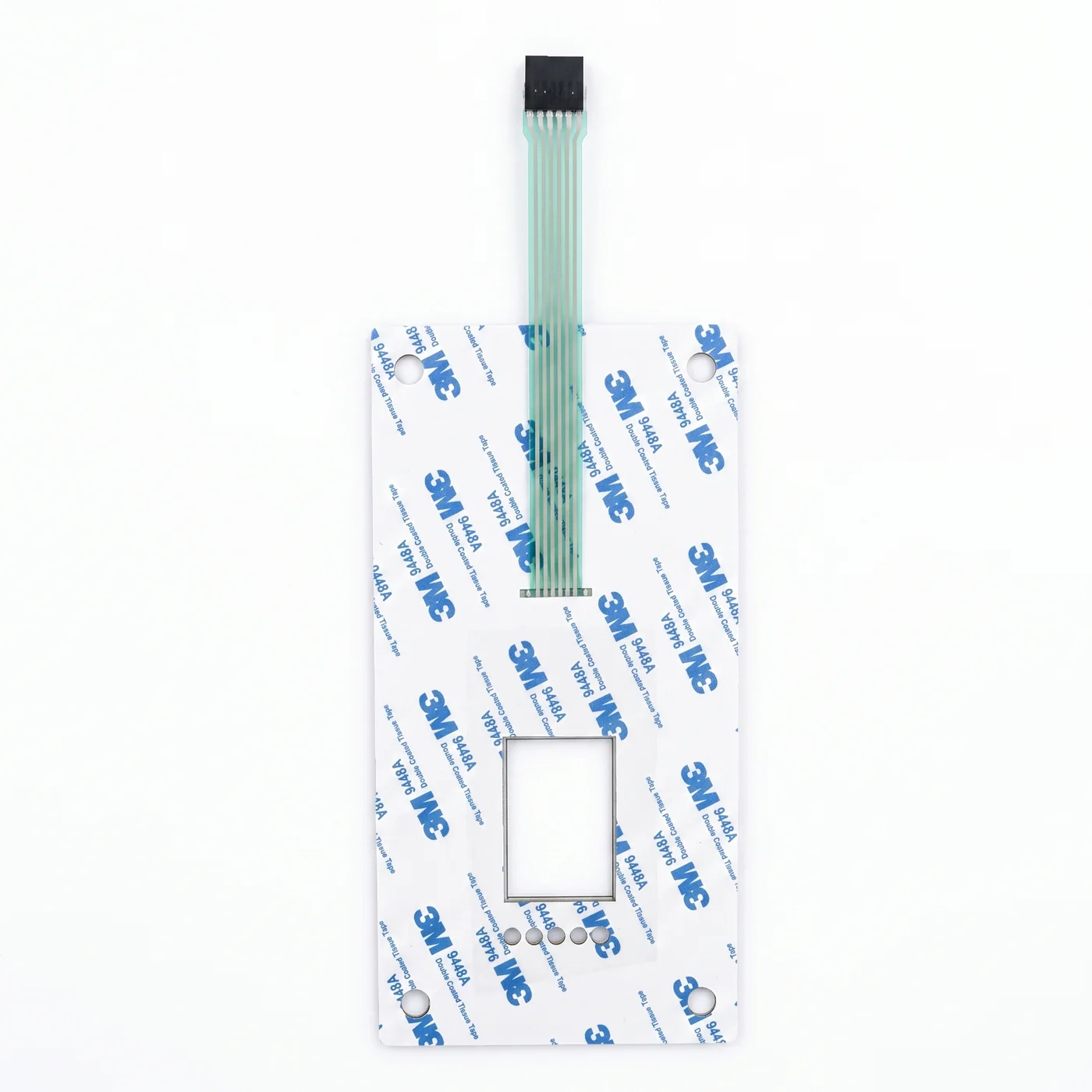
When a membrane switch mounting adhesive needs to change, compare the full original and proposed product codes, adhesive construction, thickness and actual bonding surfaces. Then identify which assembly and validation checks need review. Equal thickness or the same brand does not establish equivalence. Record the approved parts, equipment models and lots; permission for one lot does not automatically approve the substitute for future orders.
On October 15, 2026, Foshan News published a Canton Fair report supplied by Galanz Group. It described integrated multifunction appliances, built-in kitchen appliances and customized packages for different overseas markets. This article cites that report on October 19 as a recent development. An exhibition or a proposed package is not a confirmed purchase order.
If your own equipment project shares keypad panels across models or markets, a supplier may propose changing the mounting adhesive for availability or processing reasons. Purchasing then needs to establish which enclosure, part and order lot the approval covers. A shared outline does not extend one sample result to every product. The news report did not disclose keypad construction, adhesive choices, substitution plans or a Baoshengda supply relationship. The checks below concern your own custom parts.
What equal thickness and a shared brand leave unanswered
The 3M 467MP product page identifies metals and high surface energy plastics as bonding substrates. 3M's substrate selection guidance distinguishes its 200MP adhesive family from modified adhesive families intended for low surface energy plastics. It also explains that surface contact, pressure, time and temperature affect bonding. These sources support matching an adhesive to its substrate and conditions; they do not declare different products interchangeable.
Record the complete tape code, adhesive family, presence of a carrier, individual layer thicknesses and release liner. A description such as "adhesive of the same thickness" is incomplete. Include the actual enclosure resin, coating, texture and application process in the review. The 3M sources explain selection limits; they do not establish that Baoshengda uses those products or that they suit the current order.
Use a difference table for the substitution request
List the changed material and intended scope of use first, then identify the supporting evidence. Keep missing information open rather than filling the difference column with "same specification."
| Project substitution review suggestions based on the 3M guidance above and Baoshengda's version traceability guide (Chinese). Product selection, validation and approval scope require agreement between the parties. This is not a universal list of equivalent materials. | ||
|---|---|---|
| Review item | Record separately for original and substitute | Question before approval |
| Material identity | Manufacturer, complete code, construction, thickness, data revision and lot evidence | Is this a new lot of the same material, or a change in product code or construction? |
| Bonding interface | Part number, enclosure material and finish, bonding side and effective bond area | Does the comparison represent this order's contact surface rather than a different test coupon? |
| Processing and assembly | Changes in die cutting, waste removal, lamination, liner removal and production application conditions | With a similar thickness, are aperture boundaries, assembly clearances and production handling still suitable? |
| Validation differences | Original approved sample, substitute sample, proposed checks, conditions, results and open items | Which evidence can carry over, which checks need repeating, and who confirms that decision? |
| Approval scope | Approval record, applicable model and part, order or lot, effective point and disposition of old material | Is approval limited to the current lot, or does it permit a future BOM change? Record these separately. |
Compare the same assembly revision, not a single adhesion value
Manufacturer data helps screen candidates, but the order's construction still needs review. When comparing original and substitute samples, hold the enclosure, surface finish, application tooling, pressure and dwell conditions as consistent as practicable, and retain both sample identities. If a coating or process changes at the same time, record it so the result is not attributed entirely to the tape code.
Select checks for the effects the change could have. Examples include edge lift, movement under sustained loading, bond condition after cleaning or temperature and humidity exposure, and assembly issues caused by thickness or aperture changes. If the change affects the keypad stack or support, assess whether tactile and electrical function also need review. This article sets no universal load, duration or acceptance limit, and does not require every test to be repeated for every substitution. The responsible project team should record its choices and reasoning.
Similar material data without representative assembly results leaves the substitute unvalidated. A comparison completed for one model does not establish equivalence for another enclosure, coating or operating environment. Where several models share a panel, compare their differences before deciding whether they can share validation evidence.
Separate permission for one lot from a permanent BOM change
If the project permits a substitute only for a particular order lot, limit the approval record to the relevant parts, lots and conditions, and connect it to shipment identification and inspection records. Authorized project personnel must decide whether these arrangements are acceptable. A chat reply saying "okay" leaves production to guess whether future use is allowed.
For ongoing adoption, update the controlled BOM, material documents and inspection basis, and define how to handle old material, work in progress and remaining finished parts. A repeat order should identify its applicable revision and actual material without relying on the previous buyer's memory. When temporary approval expires, record whether to return to the original material or make a formal BOM change.
Give the supplier a defined substitution question
The membrane switch customization information from Shenzhen Baoshengda Technology Co., Ltd. also available in its Chinese source, calls for enclosure, PCB and operating conditions when confirming adhesive and assembled samples. For a substitution review, provide the original BOM, proposed material data, reason for the change, affected quantity, actual bonding surfaces and original sample approval records. Ask the supplier to identify differences and available evidence without assuming that any product is already equivalent.
Baoshengda's lot and version review guide (Chinese) also calls for links among drawings, the BOM, material lots, production lots, inspection and shipment. This is a review method, not proof that a substitution has been approved or passed performance testing. Supplying a graphic overlay or keypad faceplate differs from supplying a complete membrane switch. Where metal domes operate with the customer's PCB, identify responsibility for that PCB, support and assembly validation separately.
For surface preparation inputs, see enclosure surface acceptance (Chinese). For the distinction between peel and shear evidence, see adhesive test evidence scope (Chinese). This article adds the substitution request, difference assessment and approval scope; an old report or supplier brand does not replace approval for the current change.
When using the project contact page, put the original material, substitute, affected parts and intended lots in one difference table. If material identity or approval scope is unclear, leave it open before discussing quotation and delivery. Do not describe an unfinished substitution review as ready for production.