
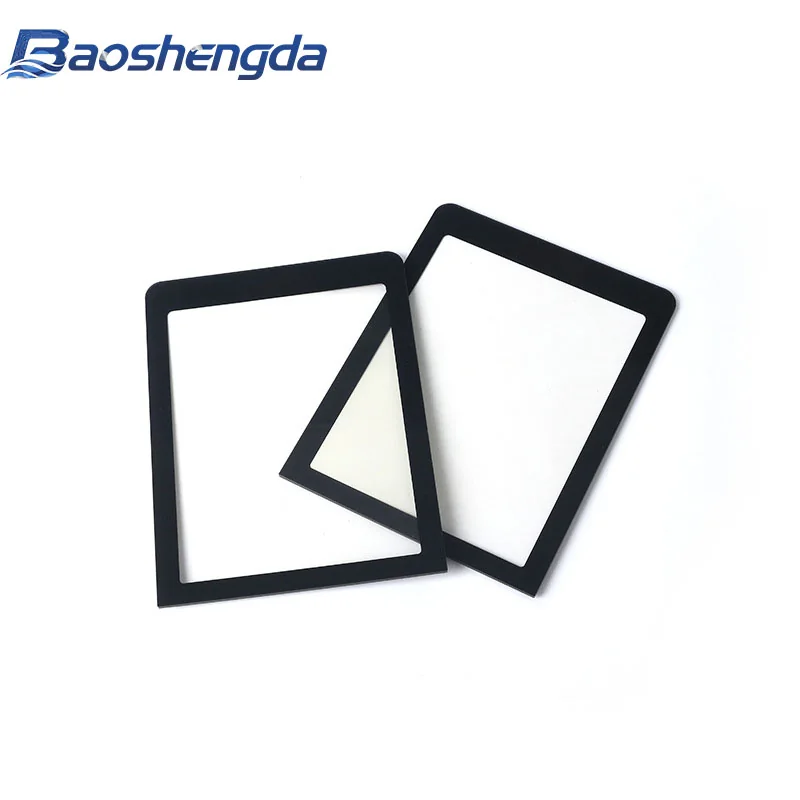
After receiving a discontinuation notice for a graphic overlay, check the affected part numbers, approved artwork, last order date and last delivery date before deciding the final purchase quantity. Base that decision on equipment support needs, usable stock and the progress of replacement qualification. An equipment service period does not establish continued availability of the original overlay. A similar name or appearance does not establish that a replacement is interchangeable. The project parties must confirm quantities, delivery and change handling.
In its 14 October 2026 announcement, Fluence disclosed an agreement with Vattenfall for supply and long-term service support for the Brunsbüttel battery storage project in Germany. Operation is planned for the end of 2028. This is a recent supplementary news item, not equipment entering operation today or an overlay discontinuation notice.
Long-term service projects need a plan for spare parts while equipment remains in use. If your OEM project separately purchases graphic overlays and a part number or material is being withdrawn, how should the final purchase cover maintenance needs until a replacement is approved? The announcement identifies neither an overlay construction nor a spare-part supply period or a Baoshengda supply relationship. This article addresses your own project's discontinuation purchasing checks; it does not infer the component arrangements in that contract.
Identify exactly what the notice withdraws
Check what “discontinuation” covers in the notice: the complete part, a material grade, a surface treatment or a production revision. Ask the supplier to identify the affected part numbers and artwork revisions, notice number, effective scope and remaining supply conditions. A verbal statement that something cannot be made later is insufficient to identify the final order.
TI's product lifecycle information distinguishes not recommended for new designs, last time buy and obsolete status. NXP's lifecycle information likewise distinguishes not recommended for new designs, end of life and no longer manufactured. These are the semiconductor manufacturers' own definitions, not graphic overlay industry standards. Their useful purchasing principle is to establish the actual supply status. Their periods and policies are not Baoshengda commitments.
If the notice concerns an adhesive or face material but the finished overlay can still be quoted with a new material, keep separate records for the old material's final purchase and the new material's evaluation. Availability of a new material does not replace the approved artwork, bonding conditions or reference sample. Do not describe a material change as discontinuation of the complete part without checking the scope.
Confirm the last order and last delivery dates separately
NXP's public lifecycle page identifies separate last time buy and last time delivery dates for products being discontinued. Use that distinction to ask when the supplier will last accept a confirmed order and when accepted orders will last be delivered. Your overlay supplier must confirm the actual dates, available quantities and batch arrangements in writing. Do not copy a semiconductor manufacturer's time periods.
| Project review suggestions before graphic overlay supply ends. These use the distinction between supply status and two dates in NXP's public lifecycle information, together with Baoshengda's product information and its revision review guide (Chinese). This is not a universal supply guarantee; the parties must confirm the actual conditions. | ||
|---|---|---|
| Review item | Ask the supplier to state | Do not automatically conclude |
| Affected item | Notice number, part number, artwork revision, and complete-part or material/process scope | Discontinuation of one material means all overlays are discontinued |
| Last order | Deadline for confirmed orders, available quantities and conditions | A quotation request or forecast has been accepted as an order |
| Last delivery | Batches, delivery dates and exceptions for accepted orders | The order deadline is the arrival date |
| Stock and storage | Delivery packaging, applicable storage conditions and the basis for checks before later use | The equipment service period equals the overlay's storage life |
| Replacement route | Candidate materials or parts, differences and items requiring renewed approval | A recommended replacement is already approved as interchangeable |
Use one project schedule to relate the notice date, last order, batch deliveries and replacement evaluation milestones. Mark an unconfirmed date as awaiting confirmation and identify the responsible party. Do not first enter a firm delivery date and then use that schedule as evidence that the supplier committed to it.
Base the final quantity on the maintenance gap
Record the applicable equipment or configuration, the basis for expected maintenance demand, usable stock of the same revision, confirmed orders still awaiting delivery, and the gap before a replacement is approved. Do not combine different revisions as “available stock” merely because they look similar. Keep forecasts, budget quantities and confirmed purchases distinct.
This article gives no universal stock multiplier. Where demand records are insufficient, state the assumptions and review milestones. For quantities intended for extended storage, ask the component or material supplier to confirm the applicable storage and pre-use review conditions. A final purchase is a transition arrangement as the original version leaves supply. A large one-off purchase does not replace later management of usability.
List replacement differences before approving interchangeability
The replacement-part explanation in NXP's public discontinuation notice states that a replacement designation is reference information, not an assurance of the same form, fit, function or performance. Customers must qualify it against their requirements. This is the boundary in a semiconductor notice; it does not identify chips used in your project or prescribe overlay test methods.
For a graphic overlay, compare the candidate against the project's artwork, outline, window, cutouts, finish, adhesive and assembly requirements. Engineering approves the applicable equipment and revision relationship; purchasing then records that approval in the order. Do not assign an unapproved substitute the original part number and release it as usable stock. A membrane switch providing electrical input also needs circuit and interface review. A surface-overlay checklist alone is insufficient for that component.
Shenzhen Baoshengda Technology Co., Ltd.'s graphic overlay information, with detailed inputs in the Chinese product source, states that a standalone graphic or keypad overlay contains no switch circuit. Face material, windows, colors and adhesive require confirmation against the enclosure and use conditions. Its traceability guide (Chinese) calls for orders, drawings, BOM, sample approvals and batches to be linked. These pages support spare-part identification and change-document review. They establish neither discontinuation of a particular part nor a fixed-period supply guarantee.
Keep a usable transition record for long-term service
A long-term service project's spare-part records should distinguish the original version still available to order, batches already ordered and replacement candidates awaiting approval. Archive the discontinuation notice, final order confirmation, stock status and replacement approval separately. While the equipment service contract continues, the team should be able to find these component records, not only the contract's service period.
For artwork, color-sample and tooling relationships when ordering a revision, see graphic overlay revision-order checks (Chinese). For whether on-site replacement is included, see spare-part supply and on-site service scope (Chinese). This article addresses purchasing milestones and replacement transition as the original version leaves supply; it does not replace those checks.
When using Baoshengda's project contact page, provide the affected part numbers, approved artwork, existing notice, stock status and expected maintenance needs. List any unconfirmed withdrawal scope, ordering conditions or replacement approval separately. Do not enter unresolved items into a final order that has already been released.