
Display-Window Graphic Overlay Design Review Guide
Define viewing area, light blocking, transmission, haze, scratch resistance, clearance, and alignment for the equipment, interface, and operating conditions before approving the drawing and sample for Display-Window Graphic Overlay Design Review Guide.
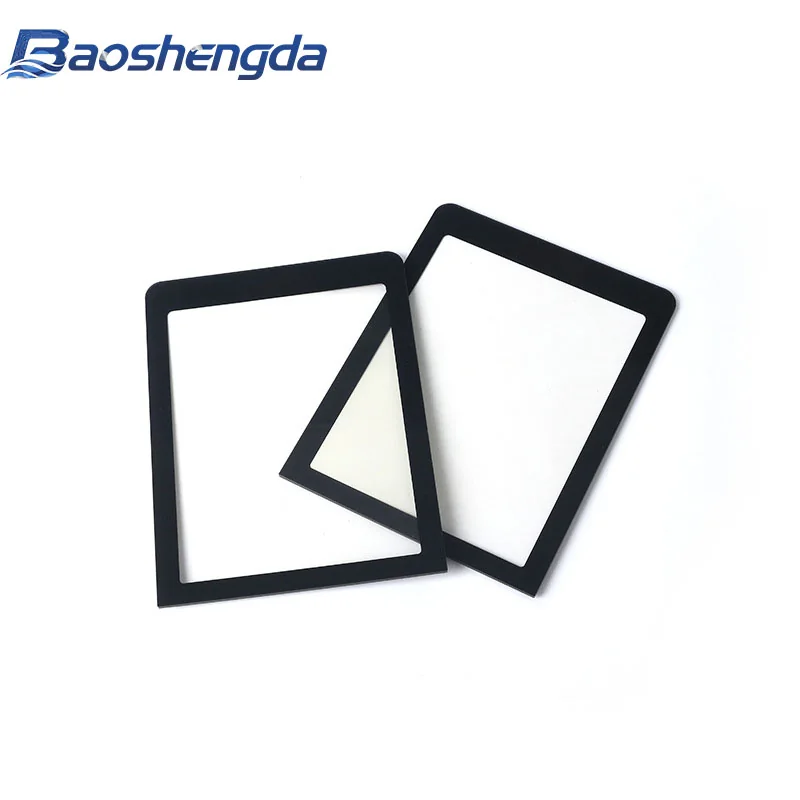
Control the optical path
A display window is judged as a stack with the display, air gap, printing, and ambient light
Visible-area size, masking, transmission, haze, tint, gloss, scratch behavior, adhesive, air gap, and alignment all affect readability. Optical requirements should reference a material grade, an assembled sample, and a repeatable measurement setup.
Set the viewing geometry
Identify active display area, bezel overlap, datum, gap, viewing distance, angle, ambient light, and allowable misalignment.
Specify the optical stack
Record material, finish, tint, clear or diffused zones, print masking, adhesive location, and protective treatment.
Approve with the display on
Judge legibility, reflections, color shift, leakage, dust visibility, and alignment on the intended display module.
Selection and prototyping
Confirm selection, quotation, and sample approval
For Display-Window Graphic Overlay Design Review Guide, define viewing area, light blocking, transmission, haze, scratch resistance, clearance, and alignment before scheduling prototypes and production.
What should be prepared before Display-Window Graphic Overlay Design Review Guide?
Start with “Set the viewing geometry” and provide the current drawings, sample information, and operating conditions. Identify active display area, bezel overlap, datum, gap, viewing distance, angle, ambient light, and allowable misalignment.
How should the outcome of Display-Window Graphic Overlay Design Review Guide be confirmed?
Use “Specify the optical stack” and “Approve with the display on” to review samples, process records, and acceptance methods. Record the result in the current project revision and agree the relevant conditions and acceptance requirements.
Project RFQ
Send a drawing—or begin with the equipment use
Artwork, enclosure dimensions, sample photos, or a question list can all start the engineering review.